We help Jesus-centered nonprofits win more grants.
Every grant you qualify for, found, scored and drafted in your voice, without adding staff. We set it up in your own Claude account and train your own people to run it.
Give us 30 minutes to find a real grant you could win and draft it in your voice. Free, and yours to keep.
The landscape has changed
- Small teams can double their grant submissions at half the cost.Chronicle of Philanthropy, 2026 (opens in a new tab)
- AI-assisted grant proposals now win more often.Proceedings of the National Academy of Sciences, 2026 (opens in a new tab)
- Two in three nonprofits already use AI to raise money.Center for Effective Philanthropy, nationally representative survey, 2025 (opens in a new tab)
- Claude is backing nonprofits.Anthropic, Introducing Claude for Nonprofits, December 2, 2025 (opens in a new tab)
Grantwriting
How it works
We unify what's scattered across your organization so AI can use it.
- File storage
- CRM
- Past grants
- Board decks
- Sheets
- Website
- Form 990


You qualify for more grants than you send. The hours are what stop you.
- Your team is stretched thin.About 30 hours a week lost to manual, repetitive work. Instrumentl, survey of 1,031 grant professionals, 2026 (opens in a new tab)
- Good grants get skipped because the process is too complicated.87% have walked away from, delayed or downsized a grant because the process was too heavy. Same survey (opens in a new tab)
- You tell your story from scratch, every time.About 5.6 hours a week re-answering the same questions in new formats. Same survey (opens in a new tab)
Your grant pipeline, built with you in twelve weeks.
The Multiplier Setup
After week twelve, if you want us to stay
- A strategy call every week for twelve weeks, each with one focus
- Your Mission Brain: one source of truth Claude works from
- Claude connected to your tools (CRM, file storage, grant databases)
- Your grant pipeline running by week four: find, score, draft, review, report
- A monthly scoreboard: hours saved, applications out, dollars applied for and won
- Drafts and reports delivered in Slack, Teams or email, each with a named owner, so the rest of your team never learns a tool
- A Friday tune-up: the system grades each routine against its own signal and proposes fixes you approve
- The person on your team who runs it, trained week by week until they run it without us
Our guarantee: hours back by week 12, measured against your own week-one baseline, or we keep working at no charge until they are. Cancel anytime, keep everything.
The first grant pays for it.
Over three months. About one month of a grant writer's salary, before benefits.
Salary.com (opens in a new tab), Glassdoor (opens in a new tab), ZipRecruiter (opens in a new tab) medians, 2025–26
The smallest typical award covers the whole Setup. The largest is sixteen times it.
Median largest award, by budget size. GrantStation, 2025 State of Grantseeking (opens in a new tab)
The First Draft is free.
Funding makes or breaks the mission.
$240BIn government grants to U.S. nonprofits, every year. Two in three report no government grant income.
Every application you don't send, someone else wins.
Sources: Urban Institute (opens in a new tab), Candid (opens in a new tab).
See the full picture: the pool, the receipts, the sourcesClient spotlight: The One Heart Project
"They didn't just get us hooked up with Claude. They trained us to use it most effectively, for the benefit of our organization and our people. It's already helping increase our capacity, and we're excited about what we're seeing on the grant side."
The work of our hands, for the Kingdom.
We're a Christian team. We want what we build to advance the gospel and take territory for the Kingdom of God. AI is only the tool. Your people, carrying the message, do the multiplying.
Ten percent of our profits go to 33rd Company (opens in a new tab), taking the gospel to the most unreached places.

Jack Pierson B.S. Mechanical Engineering, MBA
Co-founder · Solutions ArchitectFormer engineer at Lockheed Martin on the F-35 Program, now leading our AI and people strategy.
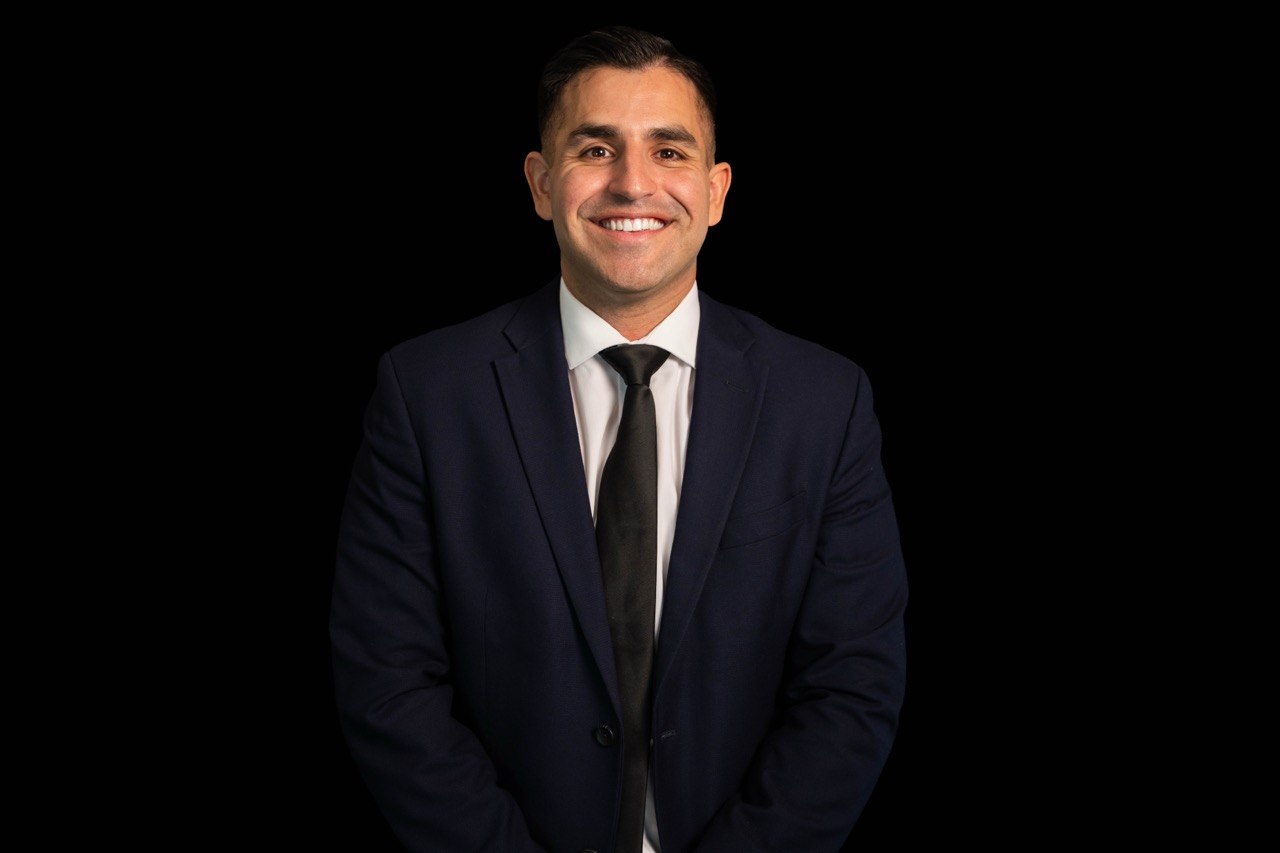
Tommy Trevino B.S. Management
Co-founder · Head of SoftwareRan client accounts and software at ZoomInfo; he leads what we build and how it fits your team.
Questions you're probably asking
Thirty minutes with us, free. We find a real grant you qualify for and draft the application in your voice, from your own materials. The draft is yours to keep whether or not you start the Setup.
You can. Claude, Anthropic's AI assistant, is a strong tool on its own. Out of the box, though, every chat starts from zero: it knows nothing about your organization, your funders or your voice, and someone has to explain the job each time. Grant work needs a system around it, and that system is what we build.
- Your Mission Brain. Your mission, programs, outcomes, budgets and past applications, organized into one source of truth Claude reads before it writes a word.
- Nine grant skills in one pack. A skill is a set of written instructions, templates and checks that teaches Claude one job, step by step, the same way every time. Ours cover the whole cycle: finding and scoring grants, drafting applications and letters of inquiry, the Review Board, funder reports, the compliance check and the learning loop.
- Your tools connected. Your CRM, your Drive or SharePoint and your grant databases, so Claude works from your real records instead of whatever someone pastes in.
- Run in Claude Code. The whole system lives in a code repository your organization owns and runs in Claude Code, Anthropic's tool for building with Claude. We test every skill and connection against your own records before your team relies on it, and every Friday the system grades its own routines and proposes fixes for you to approve.
- Your person, trained. A strategy call every week for twelve weeks with the person who runs it, so by week 12 they run it without us.
Building that yourself is possible, the way building your own donor database is possible. It takes weeks of specialized work, and most teams never find those hours. We build it with you, in an account you own, and a person on your team still approves every draft.
Yes. This is AI-assisted grant writing done the accepted way: you're the author, and Claude helps you draft and research faster. It works from your own data, in your voice, and a person on your team reviews and approves every word. Nothing is invented, and if a funder asks how you use AI, you can tell them plainly. The work, and the credit, are yours.
Funders are still deciding. In Candid's survey of foundations (opens in a new tab), one in ten accept applications written with generative AI, a quarter won't, and two thirds are undecided. That is exactly why you stay the author.
We can't promise a funder's yes. We can promise stronger, better-researched drafts, pulled from your real results and out before the deadline, so more applications go out and each one is tighter. Before you see a draft, five independent reviewers score it against the funder's own criteria and send you the verdict with the top three fixes. What the evidence says is that organizations that send more applications win more, and that AI-assisted proposals won more often in the largest study to date (PNAS, 2026 (opens in a new tab)).
No. You don't need to hire, and you don't need a specialist. In week one we name three people with you: who sponsors it, who runs it week to week, and who approves what goes out. In a small team that's often two people, sometimes one. Only the person who runs it works in Claude Code; everyone else meets Claude in Slack, Teams or email. If there's truly no one to write, Partner + Grant Writing adds up to four applications a month, drafted, prepped and submitted from your account after you approve each, for $2,500 a month. Month to month.
In Claude Code, Anthropic's tool for building with Claude, from a code repository your organization owns, inside your own Claude account. Your operator works there. Everyone else meets Claude where they already read: a Slack or Teams channel, or email, on a schedule, with a person named as the owner of each report. Nobody else has to learn a tool, and nothing is hosted by us.
Yes. Claude's business plans don't train on your data, everything stays in a repository and an account you own, and our access is only ever what you grant. You can see it and remove it anytime. Participant data stays out by rule: counts and consented, de-identified stories only. A guard in the system blocks a date of birth, a Social Security number, a case number or a background-check result the moment anyone tries to write one to a file.
No. We only take on organizations doing Kingdom work we can stand behind.
Questions about the Setup itself, from why twelve weeks to what happens if your person leaves: eight more answers on the Setup page.