We help Jesus-centered churches do more with the staff they have.
The Monday reports, the follow-up that never gets made, the logistics that wait on one person. We find the first task to hand off, build it in your own Claude account, and train your person to run it.
Give us 30 minutes. We'll find where your executive team's week goes and the best place to start. Free, and yours to keep.
The week has changed
- 57% of pastors say their role is frequently overwhelming. Two in three feel they must be available around the clock.Lifeway Research, 2025 (opens in a new tab)
- Events, staff management and admin dominate pastors' calendars, and rank lowest in what they find fulfilling.Barna, 2026 (opens in a new tab)
- Pastors say the fix is structure: a role shaped to their gifts, and work they can hand off.Barna, State of the Church 2026 (opens in a new tab)
- Only 13% of pastors don't use AI at all. A third already use it for scheduling, email and documents.Barna, 442 Protestant pastors, December 2025 (opens in a new tab)
The church grew faster than its systems, so everything waits on one person.
- The executive team is the bottleneck.Decisions, reports and follow-up route through the executive pastor because nobody else has the information in one place.
- You have a tech person. You don't have a builder.Someone keeps the systems running. Nobody has the hours or the know-how to connect them and take work off the staff.
- The report gets compiled by hand every week.Attendance, giving, care needs and volunteer gaps live in four systems, so Monday starts with someone copying numbers into a document.
Your first win, built with you in twelve weeks.
We build the church week: the Sunday debrief that compiles itself, the message pack from what was preached, the week's communications, the follow-up list of people who visited or asked for prayer, the volunteer schedule, the event countdown, and once a month the truth about where money, rooms and hours go. We start where it hurts most, chosen together in week one, in your own Claude account, with your person learning to run it one strategy call a week.
The Multiplier Setup
After week twelve, if you want us to stay
Our guarantee: hours back by week 12, measured against your own week-one baseline, or we keep working at no charge until they are. Cancel anytime, keep everything.
- A strategy call every week for twelve weeks, each with one focus
- Your Mission Brain: one source of truth Claude works from
- Claude connected to your Google Workspace or Microsoft 365, and to your church software by connector where one exists or by a weekly export
- Your first win running by week four, chosen with you in week one
- A monthly scoreboard: hours back, tasks handed off, follow-ups made
- Counts in a Slack or Teams channel, names only to owners, so the rest of the staff never learns a tool
- A Friday tune-up: the system grades each routine against its own signal and proposes fixes you approve
- The person on your staff who runs it, trained week by week until they run it without us
Hours back, for less than you'd pay to hire them.
Over three months, billed $2,000 a month. About five to six weeks of a church administrator's salary, before benefits.
ZipRecruiter (opens in a new tab), PayScale (opens in a new tab), Glassdoor (opens in a new tab), 2026
The average church administrator, before benefits. And someone would still have to build the systems.
The strategy call, plus a few minutes approving what goes out. And the First Free Win is free.
The job description is the problem.
52%of pastors are very satisfied with their vocation, down from 72% in 2015. Confidence in the calling has recovered. Satisfaction with the daily work hasn't.
Pastors are questioning what they're asked to do each day, and the calling has held.
Source: Barna, State of the Church 2026 (opens in a new tab). Burned-out pastors pointed to structure: a role aligned with their gifts, and responsibilities they could delegate.
Client spotlight: The One Heart Project
A nonprofit on the same system, in their own words.
"They didn't just get us hooked up with Claude. They trained us to use it most effectively, for the benefit of our organization and our people. It's already helping increase our capacity, and we're excited about what we're seeing on the grant side."
The work of our hands, for the Kingdom.
We're a Christian team. We want what we build to advance the gospel and take territory for the Kingdom of God. AI is only the tool. Your people, carrying the message, do the multiplying.
Ten percent of our profits go to 33rd Company (opens in a new tab), taking the gospel to the most unreached places.

Jack Pierson B.S. Mechanical Engineering, MBA
Co-founder · Solutions ArchitectFormer engineer at Lockheed Martin on the F-35 Program, now leading our AI and people strategy.
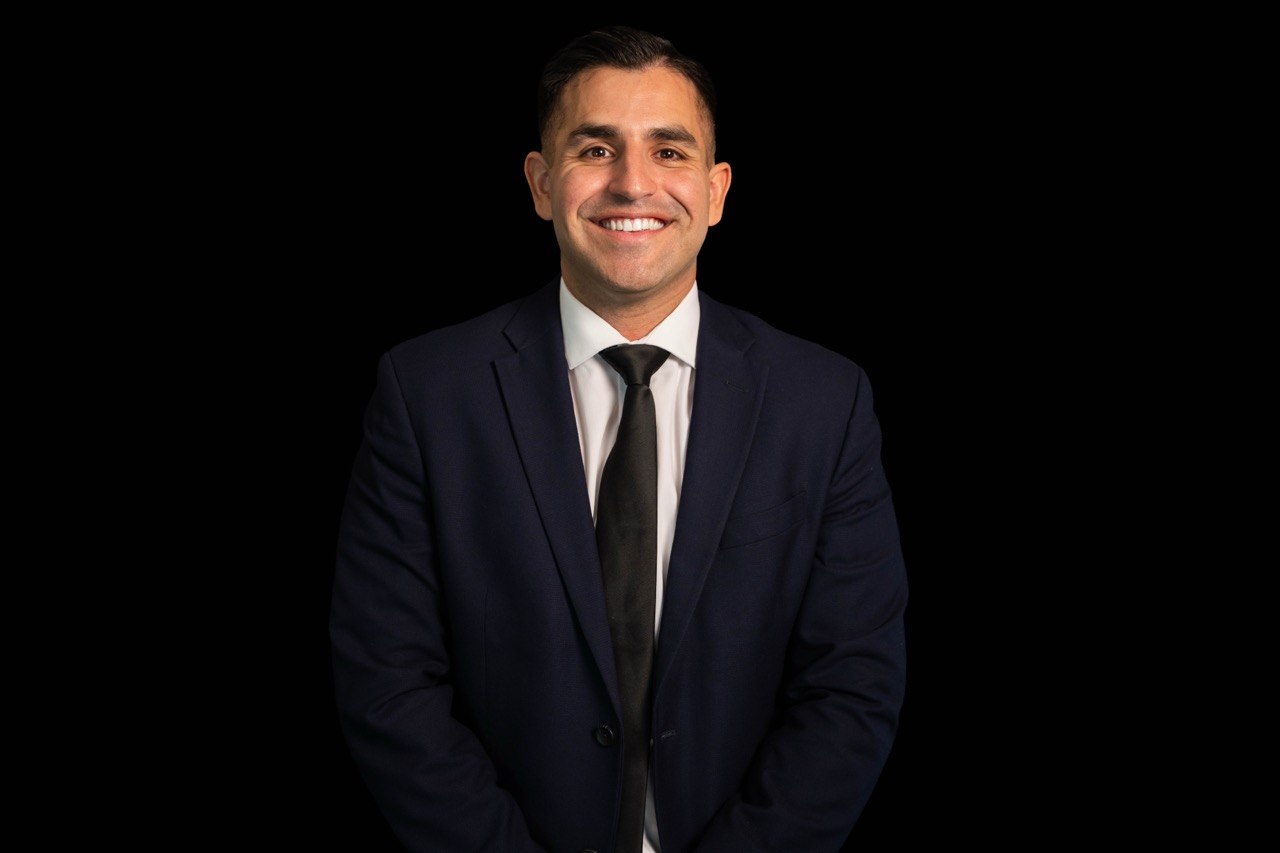
Tommy Trevino B.S. Management
Co-founder · Head of SoftwareRan client accounts and software at ZoomInfo; he leads what we build and how it fits your team.
Questions churches ask first
Thirty minutes with us, free. We find where your executive team's week goes and the first task to hand off. The three we see most: the Monday report that someone compiles by hand from attendance, giving and care needs; the follow-up list of people who visited, asked for prayer or went quiet; and the volunteer and event coordination that waits on one person. You leave with the starting point, and it's yours whether or not you start the Setup.
You can, and many pastors already do. Out of the box, though, every chat starts from zero: it knows nothing about your church, your people or your systems, and someone has to explain the job each time. What we build is the system around it: your Mission Brain, your church management system and files connected, routines that run every week without a prompt, and your person trained to run them. Then the work comes off your plate for good.
Yes. Claude's business plans don't train on your data, everything stays in an account your church owns, and our access is only ever what you grant. Four things never enter Claude: a child's name or photo, a giver's gift, a pastoral confidence, a benevolence detail. Those rules are written into the system and confirmed with your pastor and your kids director, and a guard blocks a date of birth, a Social Security number, a case number or a background-check result the moment anyone tries to write one to a file. A person on your staff approves anything that goes to a member before it goes.
No. You don't need to hire, and you don't need a specialist. In week one we name three people with you: who sponsors it, usually the executive pastor; who runs it week to week; and who approves what goes out. In a smaller church that's often two people, sometimes one. If you have a tech person, they're a natural operator. If you don't, we train whoever has the Monday problem. Only the operator works in Claude Code; everyone else meets Claude in Slack, Teams or email.
No. The sermon is never written, outlined or improved. What the system does on Monday is carry what was already preached: from the transcript, quoted, it drafts a discussion guide, a midweek email, five posts and a kids page, and your pastor approves every word. Anything doctrinal left open goes to a list for the pastor, never into a draft. Care stays with your people too: the care list only tracks who hasn't had a call back, with counts in the channel and names only to the owner. AI is only the tool; your people do the multiplying.
The same Setup serves both, so choose by where the pain is. If your nonprofit applies for grants, start with the free First Draft and the grant pipeline becomes your first win. If the pain is the church's executive week, start with the First Free Win. Either way it's one account, one Mission Brain and the same twelve weeks. After week twelve, Partner + Grant Writing is there if the grants are.
In Claude Code, Anthropic's tool for building with Claude, from a code repository your church owns, inside your own Claude account. Your operator works there. The pastor and the team leads meet Claude in a Slack or Teams channel, on a schedule, with a person named as the owner of each page. Nobody else has to learn a tool, and nothing is hosted by us.
Claude seats are paid to Anthropic, not to us. Claude for Nonprofits, up to 75% off, is verified through Goodstack and needs an IRS 501(c)(3) determination letter. Many churches never filed for one, and until you have the letter you pay the standard Team price. We'll tell you which applies in the First Free Win.
No. We only take on churches and organizations doing Kingdom work we can stand behind.
Questions about the Setup itself, from why twelve weeks to what happens if your person leaves: eight more answers on the Setup page.